
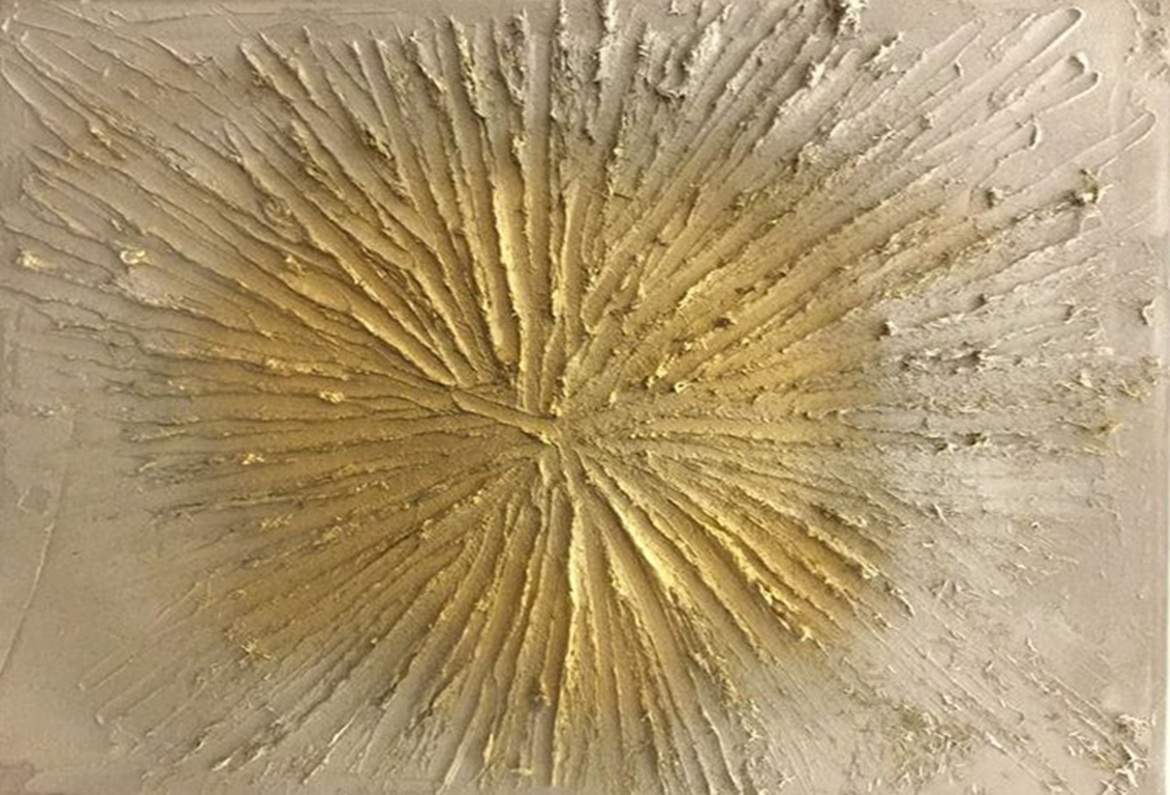
How Texture in Art Conveys Emotion
Art has the power to evoke deep emotions, and one of the most compelling ways to achieve this is through texture. The way a painting feels—whether smooth, rough, layered, or soft—can profoundly impact the viewer’s experience and emotional response.
The Role of Texture in Art
Texture is more than just a visual element; it creates a tangible connection between the artist and the observer. Artists use texture to:
Express emotions – A rough, uneven surface may suggest tension or struggle, while a soft, blended texture can convey calmness and serenity.
Enhance realism – In realistic art, texture helps depict different materials, such as the roughness of tree bark or the softness of human skin.
Create depth and dimension – Layering paint or incorporating mixed media adds a sense of depth, making the artwork more dynamic and engaging.
My Journey with Texture in Art
My artistic journey has led me to explore various textures, especially through my work with sand. Using natural materials, such as sand from Iran, allows me to connect with my heritage while adding a unique tactile quality to my paintings. The grains of sand create movement and rawness, emphasizing themes of time, memory, and identity.
How Viewers Experience Texture
Even when texture is purely visual (such as in a digital image), our minds interpret it based on past experiences. A painting with heavy texture might remind us of weathered surfaces, adding an emotional weight to the piece. Similarly, a smooth, fluid texture can evoke a sense of tranquility and openness.
Experimenting with Texture
For artists, playing with texture opens endless creative possibilities. Some techniques to explore include:
Impasto painting – Applying thick layers of paint to create a three-dimensional effect.
Collage and mixed media – Incorporating different materials like fabric, sand, or paper for added texture.
Dry brush technique – Using minimal paint on a dry brush to create a rough, scratchy look.
Final Thoughts
Texture in art is not just about aesthetics; it’s a language of its own, speaking directly to emotions. Whether subtle or bold, it can transform a painting into an immersive experience. Through my art, I aim to bring the power of texture to life, inviting viewers to feel, not just see.
What are your thoughts on texture in art? Have you ever been moved by the way a painting feels? Let’s discuss in the comments!
Quisque eleifend velit id metus ullamcorper tristique. Integer vel commodo ex. Pellentesque sed ultrices tellus. Integer lobortis et lorem vitae ullamcorper.
– Design Themes
It was popularised in the 1980s with the release of Letraset sheets containing Lorem Ipsum passages, and more recently with desktop publishing software like Aldus PageMaker including text are in so Ipsum. Lorem ipsum dolor sit amet, consectetur adipiscing elit, sed do eiusmod tempor incididunt ut labore et dolore magna aliqua. Ut enim ad minim veniam, quis nostrud exercitation quis nostrud exercitation quis nostrud exercitation ullamco laboris nisi ut aliquip ex ea commodo consequat. Duis aute irure dolor in reprehenderit in voluptate velit esse cillum dolore eu fugiat nulla pariatur. Excepteur sint occaecat cupidatat non proident, sunt iest laborum.